

Since 2022, the “long Treasury” trade has been a widow-maker. Many experts called it a “no-brainer” when rates were at 3%. They were wrong. Investors got washed out by rising yields or stopped out during volatility spikes.
Today, the consensus hates long bonds. They see a fiscal death spiral and sticky inflation.
Ironically, this is exactly why the opportunity finally exists. I am not interested in predicting where rates will be in ten years. I am looking at a specific, narrow window of 6 to 12 months.
We are staring at a rare market dislocation: A Positive Carry Hedge.
This is an asymmetric bet. You get paid to hold insurance against a crash, and you capture the upside of a structural repricing in liquidity.
Here is the thesis, the math, and the execution.
The Macro Setup: Pricing the Wrong Risk
The market has priced the 10-year Treasury yield above 4% based on fear. The narrative is simple: Inflation is back, and the US debt load is unmanageable.
I look at the data, and I see three deflationary forces the market is ignoring.
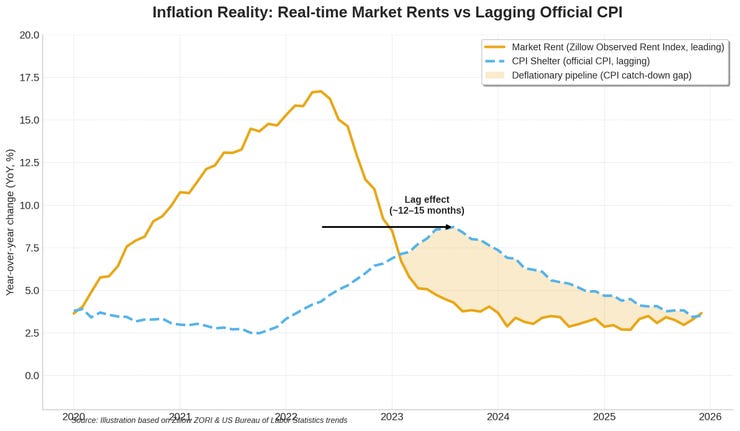
1. Rent is lagging Official CPI shelter data lags reality by 12 months. Real-time data from Zillow shows rent growth stalling or turning negative in major metros. The “inflation” we see in CPI prints today is just an echo of 2024. The pipeline is disinflationary.
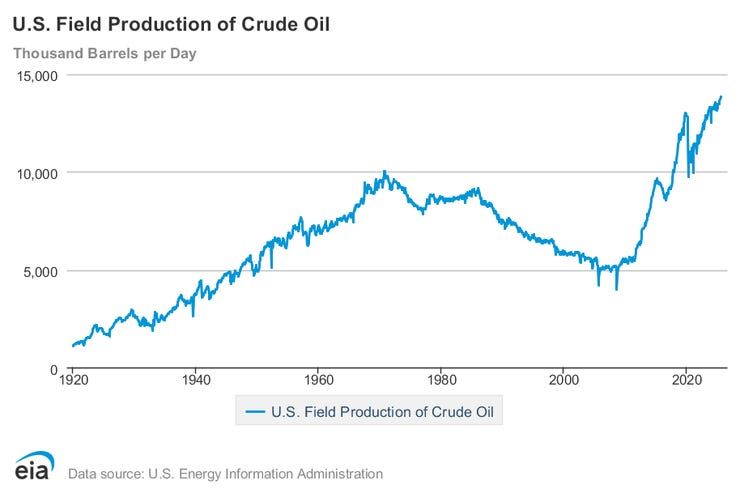
2. The Oil Game has changed OPEC is losing its grip. Production from the US, Brazil, and Guyana has broken the cartel’s pricing power. Unless we see a total geopolitical collapse, the structural pressure on oil is downward—toward a $50–70 equilibrium. Oil is becoming a deflationary accelerator, not an inflationary threat.
3. China exports deflation China is in a balance sheet recession. Domestic demand is dead. To survive, they are exporting excess capacity—EVs, steel, batteries—at rock-bottom prices. Tariffs might blunt this, but they cannot stop the global price suppression coming from the world’s factory.
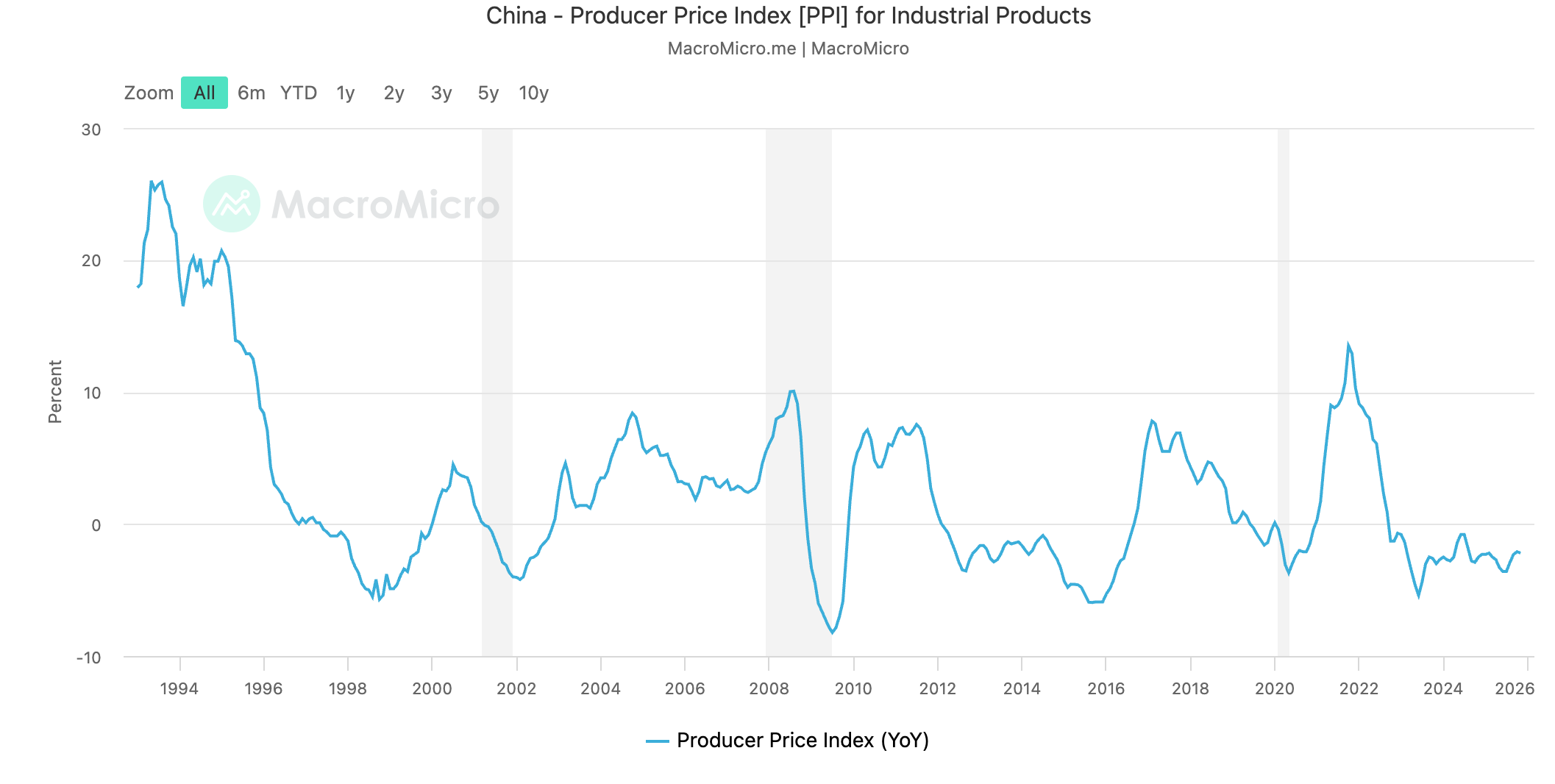
The Result: The path to 2% inflation is smoother than the market thinks. The current risk premium built into long-term rates is too high.
The Catalyst: The Mechanics of Dec 1, 2025
Macro arguments are cheap. You need a catalyst to monetize them.
That catalyst arrived on December 1, 2025. Quantitative Tightening (QT) officially ended.
The Fed stopped draining liquidity. But they did something more important that the headlines missed: They are reinvesting MBS principal payments into short-term T-bills.
This is critical engineering.
Supply Removal: The Fed is no longer a net seller. The biggest supply overhang on the market is gone.
Liquidity Injection: By buying T-bills, the Fed is actively managing short-term liquidity (reserves).
The market hasn’t done the math yet. The current Term Premium (0.53%) still reflects the anxiety of the QT era. It acts like the Fed is still pulling money out.
My base case is simple: As the market realizes the liquidity drain has stopped, the Term Premium will compress back to its post-QE norm (0% to 0.3%).
We are trading the lag between the actual event (QT ending) and the market’s realization of it.
The Strategy: The Positive Carry Hedge
Usually, hedging is expensive. Buying Puts costs you premium every month (Negative Carry).
Right now, long-duration Treasuries offer a “Positive Carry Hedge.” You get paid to wait.
Let’s look at the math using a standard Interactive Brokers (IBKR) Pro setup.
Asset Yield (Long Bond): ~4.8%
Cost of Margin (Financing): ~4.1%
Net Carry: +0.7% (Unlevered)
If you run this at 3x leverage (sensibly managed), you are looking at a net carry of ~4-5% on equity after friction costs.
This creates an asymmetric payoff profile for the next 6-12 months:
Scenario A (Soft Landing): Inflation cools, Fed cuts rates to neutral. You earn the 4.5% carry + capital gains from yield compression.
Scenario B (Hard Landing): The economy breaks. The Fed panic-cuts. Long bonds rip higher (10%+ capital gains). Your hedge pays out massively, offsetting equity losses.
Scenario C (Reflation): AI overheats the economy, inflation spikes. This is the risk case.
In Scenarios A and B, you win. In Scenario C, you stop out. The “Positive Carry” effectively funds your insurance policy while you wait for the outcome.
Execution: Engineering the Trade
Ideas are useless without execution. Here is how I structure this trade to avoid “single points of failure.”
1. The 19-Year vs. 20-Year Trap Do not blindly buy TLT or the 20-year bond. In IBKR’s margin rules, bonds with >20 years to maturity often trigger a higher margin requirement (9%) compared to bonds with <20 years (7%).
The duration risk is almost identical. The capital efficiency is not. I buy the 19-year Treasury. It sits in the “sweet spot” of the margin table. I get the duration exposure I want without tying up unnecessary capital. This is optimizing for survival.
2. The Leverage Buffer Leverage kills. I calculate a “Shock Buffer.” I need to know exactly how much yields must rise before I get a margin call. I keep this buffer wide enough to survive a volatility spike (e.g., a sudden 50bp jump in rates).
3. The Exit Plan This is a trade, not a marriage. This is a strategic position for the next 6 to 12 months.
Take Profit: If yields compress rapidly and the “mispricing” closes.
Hard Stop: If inflation data consistently beats expectations and the Fed turns hawkish.
Conclusion
The “4.8% feast” will not stay open forever.
We have a rare alignment: Falling inflation fundamentals + A structural liquidity shift (End of QT) + Positive Carry.
The market is looking at the rear-view mirror, traumatized by the volatility of 2022-2024. That trauma is our opportunity. We take the other side—not because we are gambling, but because the math of the system has changed.
Disclaimer: This is a memo documenting my own portfolio logic. I am not a financial advisor. This is not investment advice. Bond markets are volatile, and leverage introduces significant risk of loss